Building a Business Rooted in Trust, Relationships, and Exceptional Service
Seema Govil • August 3, 2026

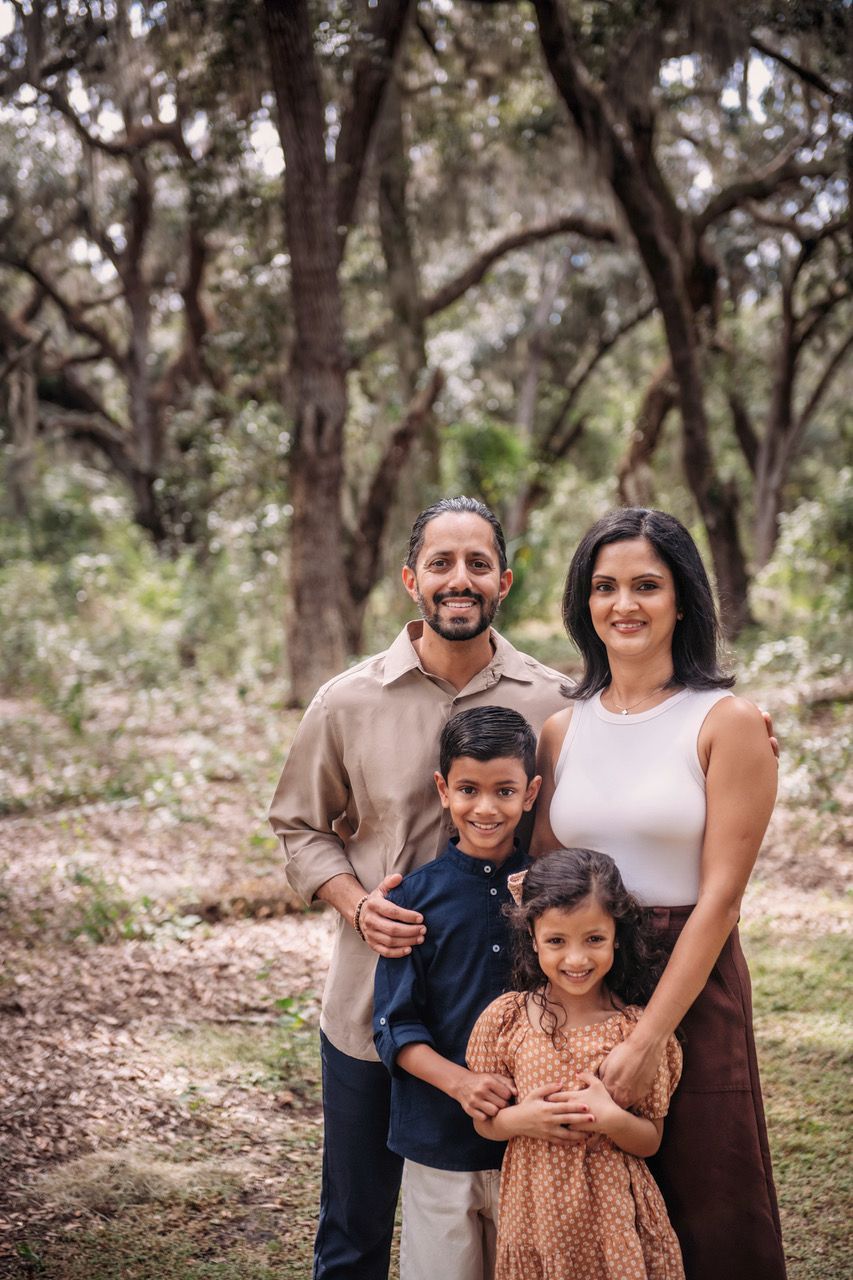
Ketan Parmar, Speedy Freight franchisee serving the Orlando area, is building his logistics business on the same values of trust, hard work, and service instilled by his immigrant parents.


As I sat down with Ketan Parmar, a Speedy Freight franchisee just four weeks into his new venture, it was clear his path to entrepreneurship was shaped as much by the values his parents instilled in him as by his 19 years in corporate engineering.


Could you tell us a little about yourself and your professional background? What experiences led you to entrepreneurship?

I'm a first-generation American, born to immigrant parents who came to the United States in search of greater opportunities. Growing up, I watched them work tirelessly and make countless sacrifices to ensure my siblings and I could earn a quality education and build a better future. Their work ethic, resilience, and determination shaped my outlook on life from an early age.


Because of their support, I earned a degree in Industrial Engineering. While in college, I interned with a major defense contractor, which led to a full-time career spanning 19 years. During that time, I had the opportunity to grow both professionally and personally, developing skills in operations, continuous improvement, problem-solving, leadership, and customer focus. More importantly, I learned the value of taking initiative, being accountable, showing up consistently, and always looking for better ways to serve customers and improve processes.


Although I enjoyed my career, I always had a desire to build something of my own. Watching my parents create opportunities through hard work instilled an entrepreneurial mindset in me. I wanted the chance to take ownership of my success, make a direct impact on my community, and create a business built on trust, relationships, and exceptional service. Entrepreneurship became the natural next step—a way to combine everything I had learned throughout my career with the values my parents passed down to me.


What first sparked your interest in franchising as a business model? Why did you feel it was the right path for you?

My interest in franchising began after watching my brother and several close friends build successful franchise businesses. Their experiences showed me the value of a proven business model backed by established systems, training, and ongoing support.


With my background in engineering and operations, I've always appreciated structured processes and continuous improvement. Franchising is a natural fit because it combines business ownership with a tested framework, allowing me to focus on serving customers, growing the business, and executing a proven system with discipline and commitment.


With so many franchise opportunities available, what attracted you to Speedy Freight? What ultimately convinced you to invest in the brand?

Leaving a secure corporate career to invest in a business with no guarantees was one of the biggest decisions I've made. While it was a risk, I've always believed that meaningful opportunities require stepping outside your comfort zone.


As I evaluated franchise opportunities, my top priority was finding a franchisor truly committed to its franchisees' success. After speaking with several Speedy Freight franchise owners, I consistently heard about the strong support, guidance, and resources the franchisor provides, giving me confidence that I would be building the business with a trusted partner.


I was also drawn to Speedy Freight because it aligns with my long-term goal of creating both financial opportunity and greater flexibility for my family. I know success will require hard work and sacrifice, but I'm confident that by following the proven system and putting in the effort, I can build a business that delivers both.


You've been a Speedy Freight franchisee for about four weeks. What has your experience been like so far? Have there been any pleasant surprises or early lessons?

The first few weeks have been both exciting and humbling. There have been encouraging conversations that led to promising opportunities, along with days filled with rejection. I've quickly learned that success in this business requires grit, persistence, and the ability to stay motivated despite hearing far more "no's" than "yes's." Every conversation is an opportunity to learn and improve.


One pleasant surprise has been discovering just how much freight moves through the Orlando area. I had no idea how many local businesses depend on freight transportation every day. Even after several weeks of prospecting, I feel like I've only scratched the surface of the opportunities in my market, which makes me excited about the future.


What are your goals for the business over the next few years? What milestones are you hoping to achieve?

My goal is to build and grow a business that creates lasting value. I measure success by the goals I set for myself, and I'm motivated by the challenge of proving that hard work, persistence, and the right mindset lead to success.


In the near term, my focus is on building a strong customer base and establishing a presence in my community. As the business grows, I look forward to hiring talented team members who share my commitment to exceptional service.


Long term, I want to build a business that becomes a valuable asset, creating financial security for my family while positioning it for a successful future sale.


Do you see yourself expanding into multiple territories or owning additional franchise locations in the future? What does your growth strategy look like?

When I invested in Speedy Freight, I chose to start with two territories because I believed they offered strong long-term opportunities and gave me the room to grow without having to worry about those markets becoming unavailable in the future.


At this stage, though, my focus isn't on expanding further. Being only a few weeks into the business, my priority is building a solid foundation, earning the trust of local businesses, and becoming a reliable logistics resource within my community. I believe growth should be intentional, and I'd rather execute well in my existing territories than expand too quickly.


As the business matures, I'll certainly be open to additional opportunities if they make strategic sense. But for now, my strategy is simple: focus on serving customers exceptionally well, grow the business the right way, and let future expansion be the result of that success rather than the goal itself.


Where do you envision yourself and your business five to ten years from now? What are your long-term aspirations?

Five to ten years from now, I envision a well-established business with a loyal customer base, a strong reputation for exceptional service, and a great team that can help the business continue to grow.


My long-term goal is to build a valuable business that creates opportunities for others while providing financial security and greater flexibility for my family. Whether that leads to expanding the business or eventually selling it, my focus is on building something sustainable that creates lasting value.


Every entrepreneurial journey comes with both opportunities and challenges. What mindset or principles have helped you during this transition into franchise ownership?

The biggest thing I've learned is to stay patient and keep showing up every day. Building a business is a marathon, not a sprint, and setbacks are part of the process.


I also believe in trusting the system while staying open to learning and improving. That mindset, along with the work ethic my parents instilled in me, has helped me stay focused and keep moving forward.


What advice would you give to aspiring entrepreneurs who are considering investing in a franchise? Are there any key lessons or insights you would like to share from your own experience?

My advice for aspiring entrepreneurs is to stay committed and don't let the early challenges discourage you. Building a business takes time, and there will be ups and downs along the way.


I've found that staying connected with my family and friends, especially my wife, has been incredibly helpful. Talking openly about the challenges and progress helps me stay focused, maintain perspective, and remember to be patient with the process.


I would also encourage anyone considering a franchise to do their homework, trust the system, and be prepared to put in the work. A franchise provides a strong foundation, but your commitment, consistency, and willingness to learn are what ultimately drive success.


If you had to describe your decision to become a Speedy Freight franchisee in just one sentence, what would you say?

I chose Speedy Freight because it offered the right combination of a proven system, strong support, and the opportunity to build a business I could be proud of.


About the Author

Seema Govil is Vice President of the India Franchise Council and a franchise advisor with The Franchise Consulting Company, specializing in business advising, marketing, PR, and journalism. Contact Seema at Seema@thefranchiseconsultingcompany.com.



Children and adults at a bright classroom table with colorful stacking toys and cups
By Ron Filian August 3, 2026
The global franchise model is fundamentally built on a paradox: it requires rigid operational standardization to maintain brand integrity, yet it completely depends on local relationships to survive. While standard operating procedures, supply chains, and technology stacks can be replicated from a corporate manual, the human element cannot. To truly thrive, a franchise must embed itself into the fabric of the neighborhood it serves. As we celebrate Indian Heritage Month, the franchise community has a unique opportunity to look closely at a cultural framework that aligns perfectly with this business challenge. For centuries, traditional Indian society has been anchored by profound values regarding community, duty, and mutual support. When applied to modern business, these cultural pillars—specifically the concepts of Seva (selfless service) and deep-rooted community mentorship—provide a powerful blueprint for building high-performing franchise teams and deeply loyal local customer bases. The Power of Seva : Redefining the Service Standard At the heart of Indian heritage lies the concept of Seva . Often translated as "selfless service," Seva is the practice of performing actions for the benefit of others and the wider community, without any expectation of personal gain or recognition. In a traditional context, it is viewed as a moral imperative and a form of spiritual dedication. When translated into the franchise ecosystem, Seva completely redefines the standard approach to customer service and employee engagement. In many Western business models, service is transactional—a calculation of value exchanged for money. However, a franchisee who operates through the lens of Seva views their business as a vehicle for community well-being. This mindset shifts the focus from a standard transaction to a meaningful relationship. Customers quickly sense when a business genuinely cares about their experience, rather than just their wallets. In a highly competitive retail, hospitality, or service environment, this cultural dedication manifests as an extraordinary level of hospitality. It builds a distinct emotional equity with consumers, transforming casual buyers into passionate brand advocates. When a franchise becomes known as a place that serves the community rather than just exploiting it, local customer loyalty becomes incredibly resilient. Cultivating the Enterprise from Within: Mentorship and the Extended Family Another cornerstone of Indian culture is the emphasis on close-knit community mentorship and the concept of Vasudhaiva Kutumbakam —the belief that the world is one large family. In the business world, this philosophy transforms a standard workplace into an ecosystem of mutual advancement. High-performing franchise units are rarely built on high employee turnover. They are built on stability, trust, and shared growth. Indian-heritage entrepreneurs have long excelled in the franchise sector by treating their workforce not merely as labor, but as an extended family network. This approach replaces cold corporate management with deeply invested, hands-on mentorship. Under this blueprint, a franchise owner acts as a mentor who is actively accountable for the holistic growth of their team members. Training goes far beyond teaching someone how to operate a point-of-sale system or follow a cleaning checklist. It extends to teaching financial literacy, developing leadership skills, and supporting personal milestones. When employees realize their employer is genuinely invested in their long-term career trajectory, team dynamics change completely. Operational execution improves because employees take personal pride in the brand's reputation. Turn-over drops significantly, saving the operator thousands in recruitment costs and preserving institutional knowledge. Ultimately, this tight-knit mentorship creates a self-sustaining cycle where senior team members naturally step up to mentor new hires, maintaining high performance across multiple shifts or locations. Operational Synergy: Why the System Works The reason the Indian value system integrates so seamlessly with franchising is that the franchise model itself is inherently communal. A franchise network relies on a shared pool of knowledge, collective buying power, and a mutual interest in the success of the brand. When an individual operator infuses their local unit with these heritage values, they bridge the gap between corporate structure and human connection. They create an environment where the brand's systems are executed with a distinct warmth and purpose. This cultural blueprint reminds us that the strongest asset on a franchise balance sheet is not the real estate or the proprietary equipment, but the depth of the relationships established both inside and outside the store walls. A Blueprint for the Future As the franchise industry continues to evolve in an increasingly digital and fast-paced market, the human connection remains our greatest competitive advantage. The traditional Indian value system offers a timeless reminder that sustainable business growth is always tied to community enrichment. By embracing the spirit of Seva in customer care and adopting family-style mentorship within our teams, franchise systems can build operations that are highly profitable, operationally resilient, and deeply respected. This Indian Heritage Month, let us recognize that cultivating a true community isn't just a cultural ideal—it is a proven blueprint for enduring commercial success. About the Author Ron Filian is a trusted franchise development consultant dedicated to helping individuals and multi unit franchise business owners navigate franchise business opportunities and expand their portfolios. Contact Ron at rfilian@thefranchiseconsultingcompany.com .
Man in navy blazer smiling at laptop in a bright office setting
By Seth Lederman August 3, 2026
“Generational wealth begins with one person. One risk taker. One investor. One person who understands how to put their money to work.” — Unknown For many Southeast Asian American families, the values of hard work, resilience, entrepreneurship, and investing in future generations have long shaped financial success in the United States. Countless immigrant families have demonstrated that owning a business can provide economic opportunity while creating lasting legacies. Entrepreneurship is evolving, however. While starting an independent business remains a rewarding path, franchising offers another avenue that combines the freedom of business ownership with the support of an established brand. For first-time entrepreneurs and experienced business owners alike, franchising can provide a lower-risk path toward financial independence. As Southeast Asian Americans continue to expand their presence across industries, franchising represents an opportunity to build wealth, diversify investments, and create businesses that can be passed from one generation to the next. The Entrepreneurial Spirit Is Already There Asian Americans may only make up about 7% of the U.S. population but they account for 11% of all U.S. employer firms , contributing an estimated $1.2 trillion in gross receipts and 5.4 million jobs. This makes Asian Americans the largest contributors among all minority-owned business groups. As a subset of this demographic, Southeast Asian Americans have shown an entrepreneurial mindset that aligns naturally with franchising. Owning a franchise requires commitment, leadership, customer service, and financial responsibility. But unlike traditional entrepreneurship, franchise owners don't have to build everything from scratch. Instead, they begin with a business model that has already been tested and refined. For entrepreneurs who value both independence and stability, this can be an attractive combination. Why Franchising Reduces Risk One of the greatest challenges of launching an independent business is uncertainty. The good news is that a franchise system addresses many of these issues. Successful franchisors spend years refining operations, marketing strategies, technology, employee training, and customer experience before offering franchise opportunities. While no business guarantees success, franchisees begin with proven systems rather than relying entirely on trial and error. For instance, franchising provides comprehensive training for first-time business owners. This allows people to come from completely different careers and become successful franchise owners, dispelling a common misconception that franchise owners must already have industry experience. This makes franchising especially appealing for professionals who want to leave corporate employment but lack direct experience in a new industry. The Power of Established Brands Building consumer trust takes years. Independent businesses often spend significant amounts on advertising simply to become known in their communities. Franchises benefit from existing brand recognition. Customers are often already familiar with the company's reputation, products, and services before a new location even opens. This recognition can reduce customer acquisition costs and help businesses reach profitability more quickly. Many franchisors also provide national marketing campaigns, digital advertising, social media resources, and professionally designed promotional materials that individual business owners would struggle to create on their own. Opportunities Beyond Restaurants When many people hear the word "franchise," they immediately think of fast-food restaurants. In reality, today's franchise industry includes hundreds of sectors, from home health care to children’s education, pet care to cleaning services, fitness to automotive repair. Today there is probably a franchise for just about any facet of industry. Many of these industries have lower startup costs than restaurants while offering recurring revenue and growing consumer demand. This gives prospective franchise owners the ability to choose businesses that match their interests, experience, and financial goals. A Strong Fit for Family Businesses Many Southeast Asian families value working together across generations, and franchising often supports this model. Parents may oversee operations while adult children contribute expertise in finance, technology, marketing, or human resources. As the business grows, family members can assume leadership roles, eventually taking ownership themselves. Rather than creating only income, franchise ownership can become a long-term family asset that builds generational wealth. Franchising also allows families to diversify their incomes. Many professionals—including physicians, pharmacists, engineers, accountants, and corporate executives—are looking for ways to go beyond salaries and traditional investments. Franchise ownership can become one component of a broader financial strategy, reducing dependence on a single source of income and creating additional long-term financial opportunities. Questions Every Prospective Franchise Owner Should Ask Before investing, it's important to conduct thorough due diligence. Prospective franchisees should carefully evaluate: Total startup costs Franchise fees and ongoing royalties Training and operational support Marketing assistance Financial performance information Existing franchisee satisfaction Market demand in their region Required owner involvement Exit strategies and resale opportunities Reading the Franchise Disclosure Document (FDD), consulting experienced franchise attorneys and accountants, and speaking with current franchise owners can provide valuable insight before making an investment decision. The most successful franchisees understand that purchasing a franchise is not simply buying a business—it's entering into a long-term partnership with a franchisor. Building Wealth Success in business still requires dedication, leadership, customer service, and sound financial management, whether you pursue your own entrepreneurial path or opt for a franchise system. Franchise ownership is not passive income, nor is it a guarantee of financial success. However, for individuals willing to follow established systems while bringing their own work ethic and commitment to excellence, it can provide a compelling opportunity. As more Southeast Asian Americans pursue business ownership, franchising offers a practical way to transform years of professional experience, family values, and entrepreneurial drive into businesses that serve communities, create jobs, and generate wealth for future generations. For those seeking a balance between independence and support, innovation and structure, or personal ambition and long-term security, franchising may be one of the smartest business decisions they will ever make. Want to learn more? Contact Seth Lederman at Frannexus to see if franchising is right for your future goals. About the Author Seth Lederman, CFE, a Franchise Acquisition and Development Specialist, is a multifaceted entrepreneur with over 30 years of experience in small-business success, including the ownership and sale of his business enterprises. He frequently contributes to The Franchise Journal and is on the exclusive Forbes Business Council. Contact Seth at seth@thefranchiseconsultingcompany.com.
By Ron Filian July 1, 2026
The modern parenting landscape is defined by a singular, powerful motivation: a collective desire to give children every possible competitive advantage in an increasingly complex world. This drive has fundamentally reshaped the children’s service and education sectors, turning supplemental learning into a major growth category. For prospective business owners looking at the franchising landscape, the youth and education market represents a remarkably resilient sector anchored by deep parental commitment and shifting institutional demands.  Understanding the robust demand for these concepts requires a look at the modern educational climate. In recent years, public and private school classrooms have faced systemic challenges, including larger class sizes, standardized curriculum constraints, and widespread learning gaps in foundational subjects like mathematics and reading. Parents quickly realized that traditional schooling alone may not suffice to unlock a child’s full potential or guarantee university placement. Consequently, enrolling children in supplemental education programs has shifted from a reactive measure for struggling students into a proactive strategy for enrichment and acceleration. Beyond academic remediation, a profound cultural shift has expanded the definition of youth development. Today's parents are highly focused on holistic growth, seeking out programs that build critical thinking, emotional intelligence, and technical literacy from an early age. This has paved the way for specialized science, technology, engineering, and math concepts, commonly known as STEM, where children learn coding, robotics, and advanced problem-solving through hands-on activities. Simultaneously, demand has surged for non-academic enrichment franchises, including youth sports leagues, early childhood music academies, and childhood fitness centers, as families prioritize physical health and social development in an increasingly digital world. The dual-income household reality further accelerates this market demand. With both parents working, the need for structured, safe, and enriching environments during after-school hours and summer breaks is an operational necessity for families. Rather than seeking simple babysitting or unstructured daycare, parents actively look for programs that maximize this time productively. Franchises that offer reliable transportation from schools, homework assistance, and specialized afternoon activities provide a seamless solution to a daily logistical challenge, embedding themselves as essential components of a family’s weekly routine. Navigating the youth education space independently presents immense hurdles, which is precisely why consumers and educators heavily favor established franchise systems. Parents are fiercely protective of their children and require immediate reassurance regarding safety, curriculum efficacy, and staff vetting. A recognized franchise brand brings instant credibility through proprietary, research-backed curricula, standardized teacher training modules, and rigorous safety protocols. For the franchise owner, the corporate infrastructure provides a turn-key operating system, encompassing sophisticated enrollment management software, digital progress-tracking tools for parents, and localized marketing blueprints to outpace independent competitors. The demand for children’s education and enrichment services remains insulated from broader economic fluctuations. Parents consistently prioritize their children’s future and development, making these services some of the last items cut from a household budget during lean times. As global economies place an even higher premium on technological proficiency and specialized skills, the need for structured, engaging, and trustworthy youth programs will only intensify, offering entrepreneurs a profoundly impactful way to build a business that shapes the local community. About the Author Ron Filian is a trusted franchise consultant, helping executives & families explore vetted children enrichment franchise opportunities. Contact Ron at 630-812-0907 or RFilian@thefranchiseconsultingcompany.com.
By Steve Sparks July 1, 2026
Walk into almost any restaurant today and you'll see the same thing: kids staring at tablets, phones, and screens. Technology has created incredible opportunities, but many parents are asking the same question: How do we help our children develop focus, critical thinking, and confidence in an increasingly distracted world?  One franchise is answering that question in a unique way. Story Time Chess is transforming the way children learn one of the world's oldest games by turning chess lessons into engaging stories and adventures that kids actually enjoy. Instead of memorizing complicated rules, children learn through characters, storytelling, and imaginative play, making the game approachable for students as young as three years old. But this isn't really a story about chess. It's a story about helping children develop life skills that will serve them for decades. More Than a Game Every move in chess requires a decision. Players must think ahead, evaluate options, consider consequences, and adapt when circumstances change. Those same skills are essential in school, sports, business, and life. Research has long suggested connections between chess instruction and improved concentration, problem-solving ability, memory, and academic performance. Parents recognize these benefits, which is why enrichment programs focused on critical thinking continue to grow in popularity. Story Time Chess has taken these proven benefits and packaged them into a format that children genuinely love. By combining storytelling with strategic thinking, the program removes the intimidation factor often associated with chess and replaces it with excitement and curiosity. Meeting Parents Where They Are Today's parents are investing more than ever in enrichment activities for their children. From STEM programs and coding camps to tutoring and music lessons, families are searching for educational experiences that provide meaningful development beyond the classroom. Story Time Chess fits perfectly into this growing trend. The program is offered through schools, after-school programs, community organizations, camps, and private classes, creating multiple avenues for growth while delivering real value to families. For many parents, the appeal isn't creating the next chess champion. It's helping their child learn patience, confidence, focus, and resilience. A Mission-Driven Franchise Opportunity For entrepreneurs seeking a business with purpose, Story Time Chess offers something unique: the ability to build a successful business while making a measurable impact on children's lives. Franchise owners aren't simply selling a service. They're helping children develop skills that can influence how they learn, think, and solve problems for years to come. That mission resonates strongly with educators, parents, and community leaders alike. As demand for educational enrichment continues to rise, Story Time Chess is well-positioned to capitalize on a growing market while remaining true to its core mission. Why the Timing Is Right Parents today are increasingly focused on educational experiences that encourage real-world thinking rather than passive entertainment. At the same time, schools and community organizations continue searching for engaging enrichment programs that provide meaningful outcomes for students. Story Time Chess sits at the intersection of both trends. By making strategic thinking fun and accessible, the company has created a program that appeals to children, parents, and educators alike. In a world filled with distractions, helping kids learn how to think may be one of the most valuable lessons of all. And for franchisees, that creates an opportunity that's about much more than business. It's about helping shape the next generation, one move at a time. About the Author Steve Sparks is a franchise consultant with The Franchise Consulting Company and a father of two who is passionate about businesses that make a positive impact on families and communities. He lives in Prosper, Texas.
By Ozzie Grupenmager July 1, 2026
How supplemental education is evolving from tutoring into long-term skill development For many parents, education used to follow a simple formula. Children went to school, completed their homework, prepared for exams, and gradually moved through the educational system. Today, that formula is changing. Increasingly, parents view education not as something that happens only inside a classroom, but as an ongoing ecosystem designed to build confidence, develop critical skills, and prepare children for an increasingly complex future . This shift is quietly transforming one of the fastest-evolving sectors within franchising: supplemental education. Tutoring Is No Longer Remedial For years, tutoring carried a stigma. Many families associated it with students who were struggling academically or trying to catch up with classmates. That perception has changed dramatically. Today, supplemental education often begins long before academic difficulties appear. Parents increasingly view enrichment programs as proactive investments rather than corrective measures. The goal is no longer simply improving grades. The goal is building stronger learners. This includes developing: confidence study habits critical thinking independent learning skills long-term academic success As competition increases and educational expectations evolve, many families seek additional support systems that complement traditional schooling. Parents Are Investing Earlier Another noticeable shift is timing. Parents are no longer waiting until middle school or high school to introduce enrichment programs. Many begin much earlier. They recognize that early exposure to structured learning environments can help children develop foundational skills that benefit them throughout their educational journey. This trend is helping expand the role supplemental education centers play within communities. Personalization Is Becoming Essential One of the biggest changes within education is personalization. Children do not all learn the same way, at the same pace, or through the same methods. Families increasingly seek environments that can adapt to individual learning styles while maintaining structured academic standards. Concepts such as Best in Class Education Center reflect this evolution by combining structured academic programs with individualized learning approaches designed to build confidence and long-term success. This model aligns with a broader consumer trend that extends far beyond education itself: personalization. Consumers increasingly expect experiences tailored to their individual needs, and education is no exception. Building Confidence Beyond Academics One of the biggest misconceptions surrounding supplemental education is that it focuses exclusively on grades. In reality, many programs are increasingly focused on confidence. Confidence often becomes the bridge between knowledge and performance. Students who develop stronger confidence levels often become: more engaged learners better communicators more willing to ask questions more resilient when facing challenges These qualities frequently extend beyond the classroom. Education Is Becoming a Lifelong Process Perhaps the biggest shift of all is philosophical. Education is no longer viewed as a finite process that ends with a diploma. Parents increasingly recognize that lifelong learning may become one of the most valuable skills children can develop. The world children will eventually enter is changing rapidly. Technology, artificial intelligence, and new industries continue to reshape the skills employers will value in the future. This reality is encouraging families to focus less on memorization and more on learning agility. The ability to adapt may become one of the greatest competitive advantages children can develop. Why This Matters for Franchising From a franchising perspective, education continues to be an attractive category because it addresses a long-term need rather than a temporary trend. Parents consistently prioritize investments that support their children’s future. Unlike many consumer categories, education often carries emotional value alongside practical value. Parents are not simply purchasing a service. They are investing in opportunity. The Bigger Picture The future of education will likely become increasingly collaborative. Traditional schools will remain central, but they may increasingly be supported by ecosystems of enrichment, personalized learning, and skill development programs that help children thrive. Education no longer stops when school ends.  And that shift may define the next generation of learning. About the Author Ozzie Grupenmager is a franchise consultant with Franchise Consulting Company and founder of NextGen Business Solutions, a business coaching and franchise advisory firm. A former COO in the franchise industry and CIO at a global advertising network, he built a franchise system from the ground up as a franchisor. His background spans franchise development, multi-unit operations, branding, marketing strategy, and business intelligence. Ozzie advises entrepreneurs, investors, and emerging brands on franchise ownership, operational systems, business growth, and scalable expansion strategies.
By Barbara Andrievk June 22, 2026
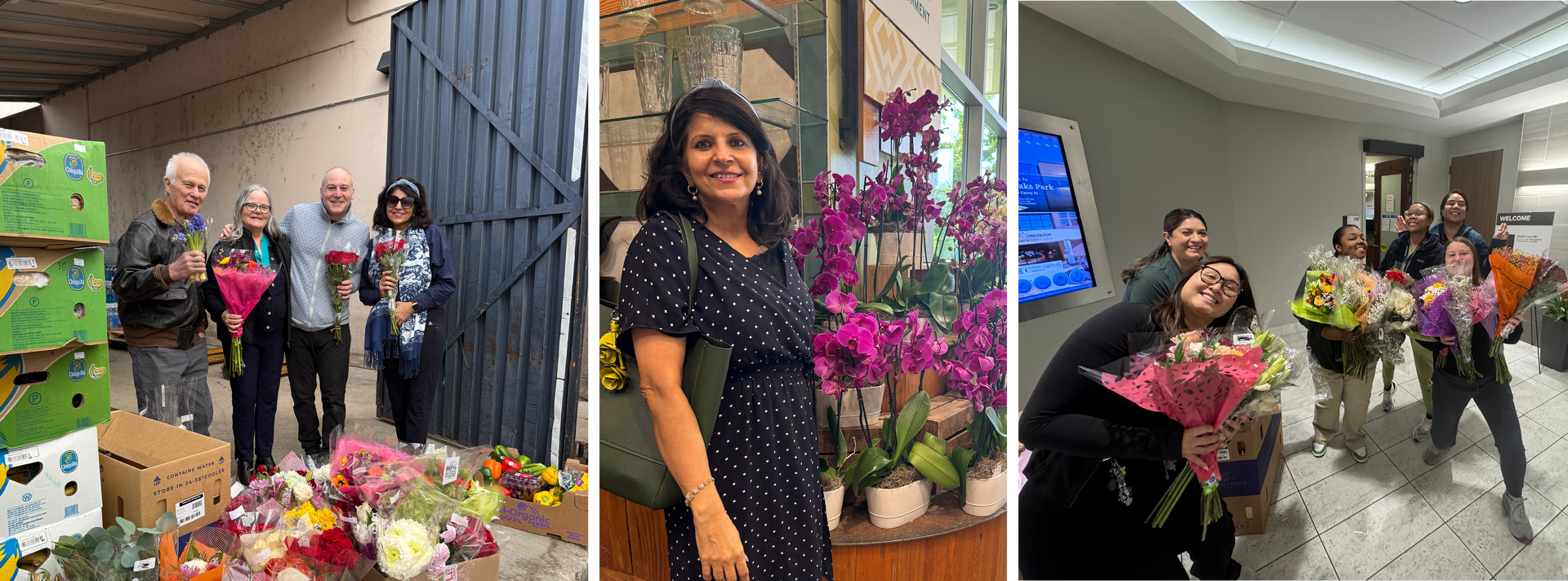
For Seema Govil, Flowers for Joy did not begin as a business idea. It began as a deeply human moment—one that arrived quietly, in the middle of one of the hardest seasons of her life. Founded in 2024, while Seema herself was undergoing cancer treatment, Flowers for Joy delivers donated bouquets—each paired with a poem she wrote during her own radiation journey—to patients receiving chemotherapy and radiation. What started as a personal act of gratitude has, in just over a year, grown into something far greater: a structured, repeatable model with the potential to scale across communities nationwide. Each week, volunteers collect fresh and surplus flowers donated by local partners including Whole Foods, Trader Joe’s, and La Fleur Florist through Seema’s nonprofit foundation. These flowers, vibrant and full of life, are then delivered to oncology clinics, where volunteers distribute them anonymously in infusion rooms and place arrangements throughout treatment areas. The effect is immediate and profound. Patients who arrive anxious and vulnerable are greeted by unexpected beauty. Nurses and physicians have observed a visible shift in mood—calmer rooms, softer expressions, and, most notably, more smiles. Some patients quietly share that receiving flowers feels like a sign they are not alone—that someone, somewhere, is thinking of them. The idea itself was born during one of Seema’s own radiation appointments. While waiting for treatment, she received an unexpected call from a florist offering to deliver flowers. In that moment, she experienced a surge of emotional relief—an almost indescribable sense of comfort. Later, when she got home, Seema discovered that the beautiful arrangement had been sent by her fellow consultant, Joe Fox from Franchise Consulting Company. She is profoundly grateful to Joe, whose thoughtful gesture became the spark that inspired this entire movement of kindness. Her family, friends and other consultants had supported her in countless ways, but this anonymous act, arriving at such a vulnerable moment, touched something deeper. Immediately, a question formed in her mind: What if every patient could experience this ? As a franchise consultant by profession, Seema instinctively began thinking beyond the moment. She recognized that this simple act of kindness could be transformed into a system—one that could be replicated anywhere. Even while continuing her daily radiation treatments, she began sourcing donated flowers and personally delivering them to her clinic.She feels this initiative was act of universe, the help and support came People noticed. Volunteers stepped forward. Clinics welcomed the initiative. Gradually, Flowers for Joy evolved into a structured program with defined partnerships, volunteer coordination, clinic onboarding, and weekly delivery protocols—laying the foundation for a model that could scale. What makes Flowers for Joy especially powerful is not only its emotional impact, but its operational simplicity. The flowers are donated. The logistics are community-driven. The delivery system is consistent. Its sustainability lies not in financial investment, but in human connection. Today, Seema and her volunteer team deliver flowers every Monday to multiple oncology locations. The program operates with no traditional infrastructure costs—relying instead on community partnerships, clear processes, and shared purpose. Doctors, nurses, and volunteers alike note the joy it brings: patients feel calmer, more supported, and leave treatment with a sense of hope that somehow they will be taken care of. Seema believes that if you feel better, you heal better. As the framework strengthened, so did Seema’s vision. Rather than expanding solely through centralized growth, she began exploring a franchise-style model—one that would empower local leaders to launch Flowers for Joy programs in their own communities using a shared operating system, brand standards, and proven processes. The concept represents a new kind of franchise: one rooted not in profit margins, but in emotional impact. In this model, the returns are measured differently. There are no franchise fees, no build-out costs. No inventory requirements. No traditional royalties. The only currency is joy. Seema envisions a future where Flowers for Joy programs operate in oncology clinics across the country —each one locally led, yet connected through a shared mission and system. Mission-driven entrepreneurs, healthcare professionals, nonprofit leaders, and community builders could all play a role in expanding its reach. In many ways, Flowers for Joy challenges conventional definitions of franchising. It demonstrates that scalable systems need not be limited to products or services. They can also deliver something far more meaningful: dignity, hope, and human connection . Seema has gracefully resumed her consulting work, drawing on the immense strength and expertise from her franchise consulting background. She continues refining the Flowers for Joy model—strengthening partnerships, documenting processes, and learning from every delivery. Seema feels as if this initiative came from the universe, and she was simply a channel for implementing it, supported by so much generosity from everywhere. Yet the foundation is already clear: what began as one woman’s response to her own vulnerability has grown into a blueprint for collective compassion.” And in the world of franchising, that may be one of the most powerful systems of all. If any franchisors or franchisees want to collaborate with Seema, please feel free to reach out to her at Seema@thefranchiseconsultingcompany.com or 512-762-7387. she would be absolutely delighted to hear from you. You can also find her on Instagram page- Flowers for Joy 24 or just go to Flowers for Joy (@flowersforjoy24) instagram.com About the Author Barbara Andrievk Ruiz, Architect, MBA, with over 15 years of experience in franchising as a franchisor, franchisee and franchise consultant. Barbara is thrilled to support other women in franchising achieving their entrepreneurial dreams.
By Dave Sullivan June 1, 2026
There is an old saying that a dog is man’s best friend. In my house, that saying has a name: Cooper. Cooper is my Wheaten Terrier, and like many pet owners, I don’t think of him as “just a dog.” He is family. He has routines, preferences, and a personality that shapes daily life. That kind of bond is exactly why the pet industry continues to expand—people invest heavily in pets they consider part of the family. That emotional connection is one of the strongest drivers behind the growth of pet franchises. This is not just a product-based industry; it is built on loyalty, trust, repeat behavior, and genuine care. The Pet Industry Keeps Expanding The numbers reflect that reality. According to the American Pet Products Association, U.S. pet industry spending reached $158 billion in 2025 and is projected to climb to $165 billion in 2026. In the same period, about 95 million U.S. households owned at least one pet. That scale supports a wide range of franchise opportunities, including grooming, boarding, daycare, training, retail, mobile services, waste management, and pet wellness businesses. Pet owners are not just purchasing essentials like food and toys. They are paying for convenience, reliability, safety, and improved quality of life for animals they see as family members. Why Pet Franchises Can Be Profitable Strong pet franchise models tend to share a few key characteristics. First, many generate repeat revenue. Services like grooming, daycare, boarding, walking, and training are ongoing needs rather than one-time purchases. A dog that requires grooming will need it repeatedly. Families who board pets during travel often return multiple times a year. Second, emotional decision-making plays a major role. Once a pet owner trusts a provider, factors like safety, cleanliness, and reliability often matter as much as price. That trust can lead to strong customer loyalty. Third, many pet franchises offer multiple revenue streams. A grooming business might also sell products or add membership programs. A daycare may include training services, retail items, or premium care packages. These layers help strengthen overall business performance. Fourth, the industry supports specialization. Some businesses focus on premium grooming, others on mobile convenience, training, boarding, or niche wellness services. This allows entrepreneurs to choose models that match their budget and operational style. A Trust-Based Local Business The pet grooming and boarding sector alone is a major industry. IBISWorld estimates it reached $15.2 billion in 2025 and is projected to grow further in 2026. These businesses are highly local and service-driven. Success depends on consistency, trained staff, safety standards, cleanliness, and customer experience. That is where franchise systems often provide structure and support. Cooper would not care about revenue projections or industry reports. He cares about how people treat him, whether he feels safe, and whether his needs are understood. That reflects the core truth of this industry: pet owners make decisions emotionally and rationally at the same time. They want professionals who are reliable, compassionate, and consistent. Businesses that deliver that experience tend to earn long-term loyalty. Is a Pet Franchise Right for Everyone? Not necessarily. Pet franchises often require strong customer service skills, patience, attention to detail, and a commitment to operational standards. Some models require staffing and physical locations, while others are mobile or home-based. The right fit depends on the individual’s goals, experience, and investment level. Before investing, it is important to review the Franchise Disclosure Document, understand total startup costs, speak with current franchise owners, and evaluate the business model carefully. Final Thought The pet industry continues to grow not just because people own pets, but because pets are family. Cooper is part of mine. For entrepreneurs who value service, relationships, and meaningful work, pet franchises offer more than just financial opportunity. They offer the chance to build a business centered on trust, care, and connection. That is what makes this industry so compelling—and why it continues to fetch big opportunities. About the Author Dave Sullivan is a Senior Consultant at The Franchise Consulting Company helping people achieve independence through business ownership.
By Jewan “Jack” Tiwari June 1, 2026
Every corporate refugee has a breaking point—a single, illuminating moment when they realize the steady supply of kibble isn’t worth the confines of the carrier. For many, that moment comes at 3:00 AM, staring at an empty spreadsheet, or while sitting in their 14th consecutive meeting of the week discussing the theory of growth rather than the execution of it.  We are taught that the path to fulfillment is a relentless, vertical climb: chase the promotion, secure the bonus, and build the 401(k) that might, someday, buy your freedom. We trade our time, our energy, and our health for the promise of conditional security. Nature, however, offers a simpler masterclass in low-effort, high-efficiency leadership. And I didn't find my mentor in the boardroom. I found her on my living room rug. The "Dazzle Doctrine" I originally brought Dazzle, a Gray and White tabby, home for my teenage daughter. Like many well-intentioned investments, the intended ROI didn't align. The classic model was proposed: I provide the capital, the food, and the shelter; the cat provides affection. The actual market behavior shifted immediately. I became her primary investor, logistics coordinator, and 24/7 staff, while Dazzle’s ultimate devotion (her limited "social capital") was dedicated solely to shadowing my daughter. Watching her shadow my teen, seemingly oblivious to my "executive funding," I was initially frustrated. Why didn't my efforts buy her attention? Then I realized: Dazzle wasn't being ungrateful. She was being strategic. She had established an entirely different management system—one that prioritizes maximum autonomy and zero redundant labor. She had adopted what I now call the Dazzle Doctrine: The Zero-Capital CEO approach. The modern professional, trapped in the "Rat Race," is a participation athlete. We expend maximum effort for a standard, linear reward. We mistake frenetic activity for productivity. Dazzle, conversely, is a predator. She understands that real success isn’t about running on a wheel. It’s about owning the territory. The Anatomy of the Predator: Hunting the Rat vs. Running the Race The corporate world is the "Race"- a system that rewards endless motion. We are busy. We are always "on." We measure success by the number of hours worked or emails sent. The Cat Analog: Dazzle doesn't run for the sake of running. She spends 23 hours in strategic repose so that she can dedicate one hour to a precise, lethal target. She isn't a participant; she is the outcome. The Franchise Move: Transitioning from the Corporate Refugee to a franchise owner is the ultimate adoption of the "Predator" mindset. You stop worrying about if a product has market demand (the Race) and focus entirely on your local execution of that demand (the Catch). A franchise gives you a proven territory and a pre-existing "system of the hunt." Your goal is no longer to survive the wheel; it’s to master the kill. Meet the Mentor: CEO Dazzle Dazzle has no MBA, no LinkedIn, and no savings account. Yet, she lives 100% hunger-free with total autonomy. Decoupling Time from Survival The core of the Dazzle Doctrine is achieving total decoupling of effort and survival. A cat possesses zero formal credentials, no savings, and no business plan. By any modern corporate metric, they are failures. Yet, they move with a confidence and grace that says, "I do not work for my existence; my existence is inherently valuable." This is the holy grail for any corporate refugee. The employee is always tethered to the clock. Franchise ownership, however, is about building a system. When that system is running, you are no longer the one pulling the lever. Like Dazzle, you assume the Executive Presence. You are not the laborer; you are the one ensuring the sunbeams continue to hit the optimal spot on the floor. The Legacy (The "Daughter" Factor) You don't have to build the entire house from scratch to be the one who rules it. A good franchise is simply an opportunity to occupy an existing infrastructure and make it your own. You build that successful system, you secure that territory, and eventually, you hand the keys of the domain over to the teenager- leaving a legacy of freedom, not stress. Dazzle is out of the office right now. She’s napping in a perfect patch of sun, hunger-free, on her own terms. It took me watching her for months to realize: she isn't ungrateful. She is a reminder that perhaps the goal isn't to work harder to buy more freedom. It’s to just take it. The official Dazzle resignation letter, "Leaving the Carrier," is currently pending approval by my former handlers. About the Author Based in the D.C. metro area, Jewan "Jack" Tiwari is a premier M&A Advisor and Franchise Consultant specializing in the Mid-Atlantic market. He is a recognized expert in placing professionals transitioning from corporate layoffs into successful business ownership, providing a strategic bridge to independence. Jack’s comprehensive advisory covers everything from SBA financing and acquisition to franchise scaling and lucrative exit strategies. Strategic Advisory: Jack@TheFranchiseConsultingCompany.com
By Jatinder Taneja June 1, 2026
Ask yourself this: when was the last time someone canceled their dog’s grooming appointment because the economy felt uncertain? Or delayed their pet’s medical care because inflation was high? The answer is usually never—and that behavior reveals a powerful truth. The pet industry doesn’t move in step with economic anxiety the way many other consumer categories do.  As a franchise consultant, I’ve helped evaluate hundreds of business opportunities, and one sector continues to stand out for its consistency and long-term demand: pet franchising. Not because it’s fashionable, but because the underlying fundamentals are unusually strong. A Market That Keeps Expanding The American Pet Products Association reports that U.S. pet industry spending has surpassed $150 billion annually in recent years, with continued growth expected. Roughly two-thirds of American households now own a pet, and ownership continues to rise among Millennials and Gen Z. What’s more important than the size of the market is how people behave within it. Pet owners are increasingly treating animals like family members, not possessions. That shift has permanently increased spending across grooming, boarding, training, nutrition, wellness, and specialty services. Within franchising, pet-related businesses have consistently ranked among the most resilient and fastest-growing categories. The reason is simple: franchising delivers consistency and trust at the local level, which is exactly what pet owners want when choosing care providers. Recession Resistance Built Into the Category Pet services operate in what you might call the “emotionally essential” category. Consumers will delay vacations, reduce restaurant spending, or pause home upgrades during downturns—but they rarely cut back on pet care. This pattern held true during the 2008 financial crisis and again during the COVID-19 pandemic, when pet adoption surged and demand for services increased across nearly every segment of the industry. Dog daycare and boarding systems such as Camp Bow Wow and Dogtopia have demonstrated that even in uncertain economic periods, working pet owners still need reliable care solutions. Mobile service models like Woofie’s have grown by offering convenience-based grooming and pet sitting that fits into busy schedules. These are not luxury purchases—they are logistical necessities. A Need-Based Industry, Not a Luxury One One of the most important distinctions for investors is understanding that much of the pet industry is need-driven rather than discretionary. Preventive veterinary care, for example, through concepts like PetWellClinic, includes vaccinations, wellness checks, and routine treatments that responsible owners cannot ignore. Pet waste removal services such as DoodyCalls solve ongoing sanitation needs that do not pause regardless of economic conditions. Nutrition-focused brands like Pet Wants build recurring revenue through fresh, specialized pet food that customers tend to repurchase consistently once they see results. Training-focused franchises such as Trusted Paws Dog Training Academy or Zoom Room address behavioral issues that directly impact safety and quality of life for both pets and owners. Across each of these examples, demand is driven by necessity, not optional spending. Why Technology Won’t Disrupt the Core Model A common question is whether technology or AI could eventually replace parts of this industry. The reality is that most pet services are hands-on, physical, and relationship-driven. You cannot automate grooming. You cannot digitize dog daycare. And you cannot replace the human compassion required in services like pet aftercare providers such as Resting Rainbow Pet Memorials & Cremation. While technology will continue to improve scheduling, marketing, and customer communication, the core service depends on trust between people and animals. That human connection creates a natural level of protection from automation. What This Means for Investors For prospective franchise owners, the pet industry offers a rare combination of emotional engagement, recurring revenue potential, and recession-resistant demand. Whether your interest lies in grooming, boarding, training, wellness, or specialty services, there are models that align with different investment levels and lifestyles. The real question is not whether the pet industry will continue growing—it will. The question is whether you want to build a business positioned to grow with it. About the Author Jatinder is a franchise consultant, coach and mentor at FCC, specializing in helping prospective franchisees identify, evaluate, and acquire franchise businesses across 32 business categories. He can be reached at jatin@thefranchiseconsultingcompany.com
By Seth Lederman May 1, 2026
Take care of your body. It's the only place you have to live. — Jim Rohn The fitness industry has evolved dramatically over the past decade, shifting from traditional gym memberships to personalized, technology-driven wellness solutions. Consumers are increasingly focused on efficiency, measurable results, and convenience, creating fertile ground for franchise concepts that deliver targeted outcomes. And despite economic ups and downs, 10 million people joined a gym or studio in 2025, a 14% increase YoY. For entrepreneurs and investors, fitness franchises can offer predictable demand, recurring revenue models, and scalable operations when structured correctly. However, not every fitness franchise is a smart investment. The most successful concepts share common characteristics—clear consumer demand, operational efficiency, strong brand leadership, and adaptability to emerging health trends. Understanding these factors can help prospective franchisees evaluate opportunities with confidence and position themselves for long-term success in a competitive but growing sector. Proven Demand and Market Relevance A strong fitness franchise begins with a service that solves a real problem. Today’s consumers are not just looking for a place to work out—they want solutions that fit into busy schedules, accommodate physical limitations, and deliver visible results quickly. And the demand continues to grow, with membership across US fitness facilities reaching a record 77 million in 2024. Franchises that thrive tend to address one or more of the most common barriers to exercise: Limited time Lack of guidance or accountability Injury concerns or aging bodies Difficulty maintaining motivation Concepts that directly tackle these obstacles position themselves as essential services rather than discretionary expenses. This distinction becomes especially important during economic fluctuations, when consumers prioritize value-driven wellness solutions. Efficient Startup and Operating Costs Another hallmark of a strong fitness franchise is manageable startup investment and predictable operating expenses. While some large gym models require multimillion-dollar facilities and extensive staffing, newer boutique concepts often focus on streamlined footprints and specialized services. Key financial indicators of a healthy franchise model include: Moderate build-out costs Limited equipment complexity Lean staffing requirements Recurring membership revenue High client retention rates Lower capital requirements reduce risk for franchisees and shorten the path to profitability. They also make expansion more accessible, enabling multi-unit ownership and regional growth. Scalable Systems and Experienced Leadership Behind every successful franchise is a leadership team with a proven track record of scaling businesses. Operational systems, training programs, and marketing support play a critical role in ensuring consistency across locations. Strong franchise organizations typically provide: Comprehensive onboarding and training Ongoing operational guidance Brand marketing support Technology platforms for scheduling and performance tracking Clear performance benchmarks For investors entering the fitness industry for the first time, these systems can significantly reduce the learning curve and increase the likelihood of success. Alignment with Emerging Health Trends Fitness is increasingly integrated with broader health and wellness trends, including longevity, weight management, and preventative care. Franchises that align with these shifts are better positioned to maintain relevance and grow market share. Current trends shaping the industry include: Personalized fitness programs Low-impact training solutions Technology-enabled workouts Recovery and mobility services Support for medical weight-loss patients One particularly important development is the rapid adoption of GLP-1 medications for weight loss. While these medications can help individuals shed pounds quickly, they also increase the risk of muscle loss—creating demand for strength-focused fitness solutions. Franchises that address this need are entering a rapidly expanding niche within the wellness market. For instance, the average profit margins for premium boutique concepts can be quite high, with margins up to 30% , while a more typical fitness franchise can range between 16.5% to 22.8%. Why BODY20 Is a Compelling Opportunity in the Modern Fitness Landscape Among emerging fitness concepts, BODY20 stands out as a particularly attractive franchise opportunity because it combines proven technology, operational efficiency, and strong consumer relevance. The brand is built around electro-muscle stimulation (EMS), a training method that has been widely adopted in Europe for years. With more than 8,000 EMS studios operating overseas, the modality has already demonstrated its effectiveness and commercial viability. What makes BODY20 especially compelling is its position as an early mover in the United States. Due to regulatory requirements and the FDA approval process, EMS technology entered the U.S. market later than in Europe. This delay has created a unique window for franchisees to establish leadership in a category that is still gaining awareness domestically. Early adopters have the opportunity to build brand recognition and customer loyalty before the market becomes saturated. From an operational standpoint, the economics are equally attractive. The cost to open a BODY20 studio is typically under $500,000, allowing franchisees to deliver a premium fitness experience without the financial burden associated with large gym facilities. The compact studio model reduces real estate requirements and simplifies build-out, while the technology-driven workouts minimize equipment maintenance. Labor flexibility is another major advantage. Unlike traditional fitness centers that require certified personal trainers for every session, BODY20 provides comprehensive training to staff members, enabling franchisees to recruit individuals who are enthusiastic about fitness and customer service rather than highly specialized professionals. This expands the available labor pool and helps control payroll costs. Most importantly, the concept directly addresses the primary reasons many Americans do not exercise. Time remains the number one barrier to fitness, followed closely by uncertainty about how to work out effectively and concerns related to age or injury. BODY20’s EMS technology delivers a full-body workout in just 20 minutes, typically once or twice per week. The low-impact nature of the training eliminates the need for heavy weights, making it accessible to individuals with joint pain, limited mobility, or recovery needs. The model also aligns closely with the growing population of consumers using GLP-1 medications for weight loss. As these individuals lose weight rapidly, maintaining muscle mass becomes a critical health priority. EMS training provides a highly efficient way to stimulate muscle engagement and preserve strength, positioning BODY20 as a valuable complement to medical weight-loss programs. Taken together, these factors—proven technology, first-to-market positioning, manageable investment, and strong consumer demand—make BODY20 a compelling franchise opportunity for entrepreneurs seeking to enter the fitness industry with a differentiated and scalable concept. The Long-Term Outlook for Fitness Franchising The future of fitness franchising is closely tied to innovation and adaptability. Consumers are increasingly seeking solutions that deliver measurable results without requiring significant time commitments. At the same time, demographic shifts—including an aging population and rising interest in preventative health—are expanding the market for accessible, low-impact fitness options. For franchise investors, this environment creates substantial opportunity. Fitness remains one of the most resilient sectors within franchising because it is rooted in fundamental human needs: health, confidence, and quality of life. A good fitness franchise is not simply about exercise—it is about delivering solutions. Frannnexus can help you find the right franchise for your future, whether that is in fitness or another industry. Contact Seth Lederman today to learn more. About the Author Seth Lederman, CFE, a Franchise Acquisition and Development Specialist, is a multi-faceted entrepreneur with over 30 years of experience in small business success, including ownership and sale of his business enterprises. He frequently contributes to The Franchise Journal and is on the exclusive Forbes Business Council. Contact Seth at seth@thefranchiseconsultingcompany.com .