By Seema Govil
•
August 3, 2026
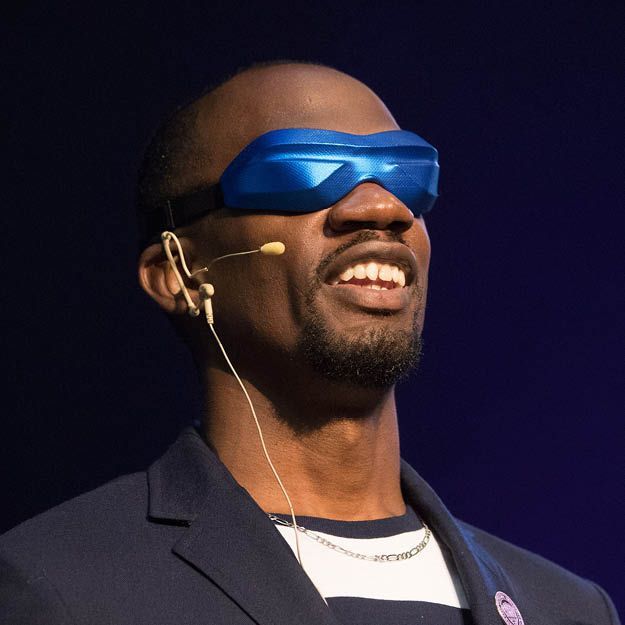
Ketan Parmar, Speedy Freight franchisee serving the Orlando area, is building his logistics business on the same values of trust, hard work, and service instilled by his immigrant parents. As I sat down with Ketan Parmar, a Speedy Freight franchisee just four weeks into his new venture, it was clear his path to entrepreneurship was shaped as much by the values his parents instilled in him as by his 19 years in corporate engineering. Could you tell us a little about yourself and your professional background? What experiences led you to entrepreneurship? I'm a first-generation American, born to immigrant parents who came to the United States in search of greater opportunities. Growing up, I watched them work tirelessly and make countless sacrifices to ensure my siblings and I could earn a quality education and build a better future. Their work ethic, resilience, and determination shaped my outlook on life from an early age. Because of their support, I earned a degree in Industrial Engineering. While in college, I interned with a major defense contractor, which led to a full-time career spanning 19 years. During that time, I had the opportunity to grow both professionally and personally, developing skills in operations, continuous improvement, problem-solving, leadership, and customer focus. More importantly, I learned the value of taking initiative, being accountable, showing up consistently, and always looking for better ways to serve customers and improve processes. Although I enjoyed my career, I always had a desire to build something of my own. Watching my parents create opportunities through hard work instilled an entrepreneurial mindset in me. I wanted the chance to take ownership of my success, make a direct impact on my community, and create a business built on trust, relationships, and exceptional service. Entrepreneurship became the natural next step—a way to combine everything I had learned throughout my career with the values my parents passed down to me. What first sparked your interest in franchising as a business model? Why did you feel it was the right path for you? My interest in franchising began after watching my brother and several close friends build successful franchise businesses. Their experiences showed me the value of a proven business model backed by established systems, training, and ongoing support. With my background in engineering and operations, I've always appreciated structured processes and continuous improvement. Franchising is a natural fit because it combines business ownership with a tested framework, allowing me to focus on serving customers, growing the business, and executing a proven system with discipline and commitment. With so many franchise opportunities available, what attracted you to Speedy Freight? What ultimately convinced you to invest in the brand? Leaving a secure corporate career to invest in a business with no guarantees was one of the biggest decisions I've made. While it was a risk, I've always believed that meaningful opportunities require stepping outside your comfort zone. As I evaluated franchise opportunities, my top priority was finding a franchisor truly committed to its franchisees' success. After speaking with several Speedy Freight franchise owners, I consistently heard about the strong support, guidance, and resources the franchisor provides, giving me confidence that I would be building the business with a trusted partner. I was also drawn to Speedy Freight because it aligns with my long-term goal of creating both financial opportunity and greater flexibility for my family. I know success will require hard work and sacrifice, but I'm confident that by following the proven system and putting in the effort, I can build a business that delivers both. You've been a Speedy Freight franchisee for about four weeks. What has your experience been like so far? Have there been any pleasant surprises or early lessons? The first few weeks have been both exciting and humbling. There have been encouraging conversations that led to promising opportunities, along with days filled with rejection. I've quickly learned that success in this business requires grit, persistence, and the ability to stay motivated despite hearing far more "no's" than "yes's." Every conversation is an opportunity to learn and improve. One pleasant surprise has been discovering just how much freight moves through the Orlando area. I had no idea how many local businesses depend on freight transportation every day. Even after several weeks of prospecting, I feel like I've only scratched the surface of the opportunities in my market, which makes me excited about the future. What are your goals for the business over the next few years? What milestones are you hoping to achieve? My goal is to build and grow a business that creates lasting value. I measure success by the goals I set for myself, and I'm motivated by the challenge of proving that hard work, persistence, and the right mindset lead to success. In the near term, my focus is on building a strong customer base and establishing a presence in my community. As the business grows, I look forward to hiring talented team members who share my commitment to exceptional service. Long term, I want to build a business that becomes a valuable asset, creating financial security for my family while positioning it for a successful future sale. Do you see yourself expanding into multiple territories or owning additional franchise locations in the future? What does your growth strategy look like? When I invested in Speedy Freight, I chose to start with two territories because I believed they offered strong long-term opportunities and gave me the room to grow without having to worry about those markets becoming unavailable in the future. At this stage, though, my focus isn't on expanding further. Being only a few weeks into the business, my priority is building a solid foundation , earning the trust of local businesses, and becoming a reliable logistics resource within my community. I believe growth should be intentional, and I'd rather execute well in my existing territories than expand too quickly. As the business matures, I'll certainly be open to additional opportunities if they make strategic sense. But for now, my strategy is simple: focus on serving customers exceptionally well, grow the business the right way, and let future expansion be the result of that success rather than the goal itself. Where do you envision yourself and your business five to ten years from now? What are your long-term aspirations? Five to ten years from now, I envision a well-established business with a loyal customer base, a strong reputation for exceptional service, and a great team that can help the business continue to grow. My long-term goal is to build a valuable business that creates opportunities for others while providing financial security and greater flexibility for my family. Whether that leads to expanding the business or eventually selling it, my focus is on building something sustainable that creates lasting value. Every entrepreneurial journey comes with both opportunities and challenges. What mindset or principles have helped you during this transition into franchise ownership? The biggest thing I've learned is to stay patient and keep showing up every day. Building a business is a marathon, not a sprint, and setbacks are part of the process. I also believe in trusting the system while staying open to learning and improving. That mindset, along with the work ethic my parents instilled in me, has helped me stay focused and keep moving forward. What advice would you give to aspiring entrepreneurs who are considering investing in a franchise? Are there any key lessons or insights you would like to share from your own experience? My advice for aspiring entrepreneurs is to stay committed and don't let the early challenges discourage you. Building a business takes time, and there will be ups and downs along the way. I've found that staying connected with my family and friends, especially my wife, has been incredibly helpful. Talking openly about the challenges and progress helps me stay focused, maintain perspective, and remember to be patient with the process. I would also encourage anyone considering a franchise to do their homework, trust the system, and be prepared to put in the work. A franchise provides a strong foundation, but your commitment, consistency, and willingness to learn are what ultimately drive success. If you had to describe your decision to become a Speedy Freight franchisee in just one sentence, what would you say? I chose Speedy Freight because it offered the right combination of a proven system, strong support, and the opportunity to build a business I could be proud of. About the Author Seema Govil is Vice President of the India Franchise Council and a franchise advisor with The Franchise Consulting Company, specializing in business advising, marketing, PR, and journalism. Contact Seema at Seema@thefranchiseconsultingcompany.com.